

News
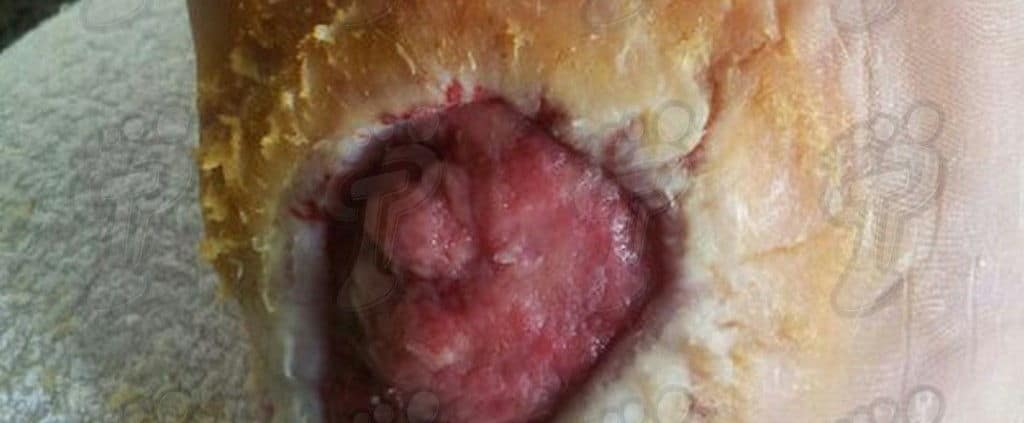

The diabetic foot: general considerations
When we speak about the diabetic foot we are referring to a summary of pathologies which have an impact on the foot as a result of the Diabetes Mellitus which the patient suffers. Diabetes is a chronic disease which affects to a vast number of people causing them a series of serious complications and a […]
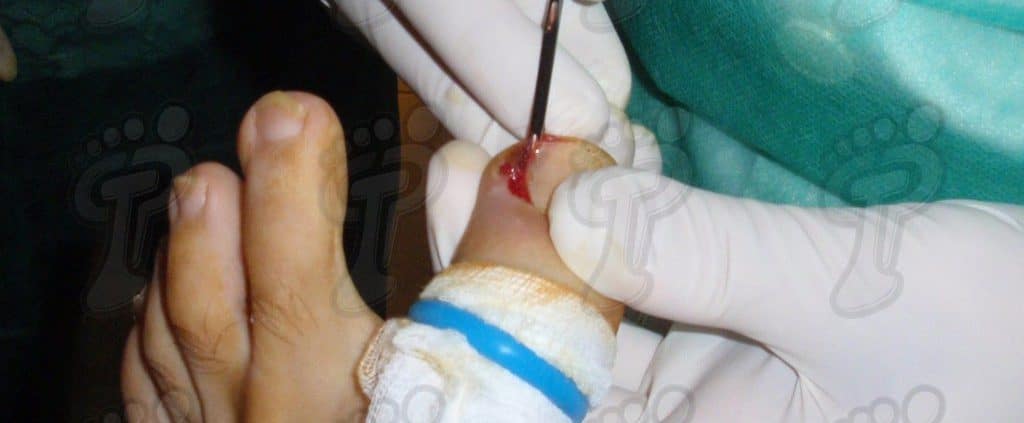
Unguinal surgery minimally invasive
The unguinal pathology produces a lot of surgical operations confronted to other surgeries which affects to the foot. There are countless techniques described which depend of the toe state, and of every professional’s skill and experience. The surgical variability takes in from the complete extirpation of the nail, the only resection from tender parts and […]
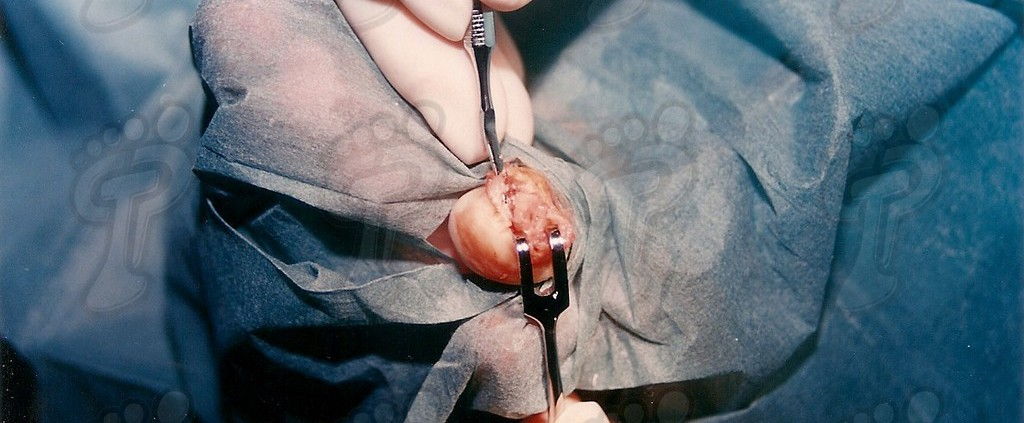
Osteoid Osteoma Surgical Treatment
The osteoma is a benign osseous tumor the origin of which is in the bone cortical. Statistically, it develops more in the bones that morphologically longer in young males. They are slow growth tumors and according to bibliographies, they are painless. (They are described like this from the point of view that they are uncommon […]

MAKING OF TRANSMETATARSAL PROSTHESIS
The transmetatarsal amputation is one of the most surgical resections in foot. This kind of amputations are usually made as a consequence of serious infections –very frequent in diabetic patients-, vascular alterations and traumatisms from several causes. Sometimes, a transmetatarsal amputation is better than to keep rigid or deformed toes which may alter the correct […]
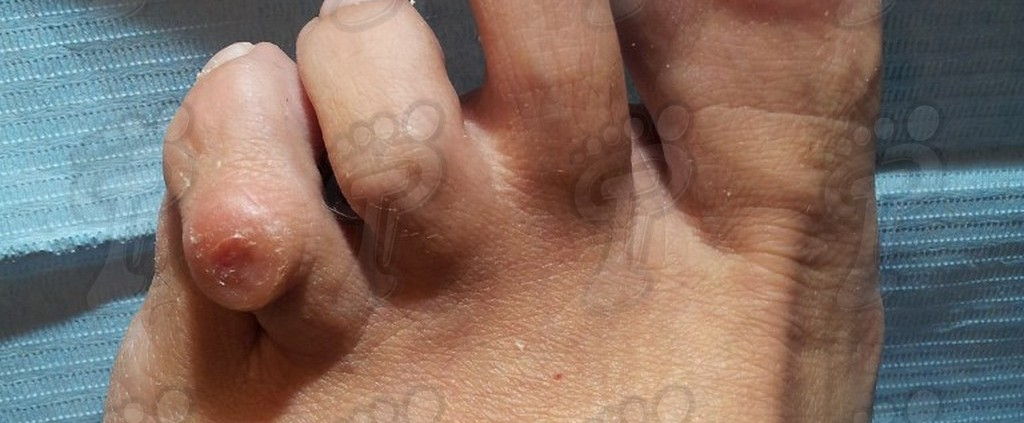
Overview of the rheumatoid foot
We define rheumatoid foot as the foot affected by inflammatory or rheumatic diseases in multiple joints. The most common symptoms the rheumatoid foot presents are: pain, stiffness, deformity and numbness. The most common rheumatic pathologies are: rheumatoid arthritis, arthrosis and psoriatic arthropathy. • Rheumatoid arthritis is a systemic inflammatory malady of corrective tissue. It is […]

HALLUX VARUS: THE OPPOSITE MORPHOLOGY OF THE HALLUX VALGUS
The Hallux Varus is a deformity of the first radius which has a deviation of the great toe towards a medial or tibial direction. Visually, it is the antithesis of hallux valgus or bunion. We can see a supination of the great toe and a negative metatarsophalangeal angle. This anomaly has several causes: Functional: as […]





Recent Comments