Biomechanics of motorcycling

Contact
Only for biomechanics of motorcycling and bike fitting
Gran Via Carles III, 63 baixos, 08028 Barcelona
Gran Via Carles III, 63 baixos, 08028 Barcelona

Performance evaluation in braking. Unique test in Spain and Europe on biomechanic in motorcycling sports.
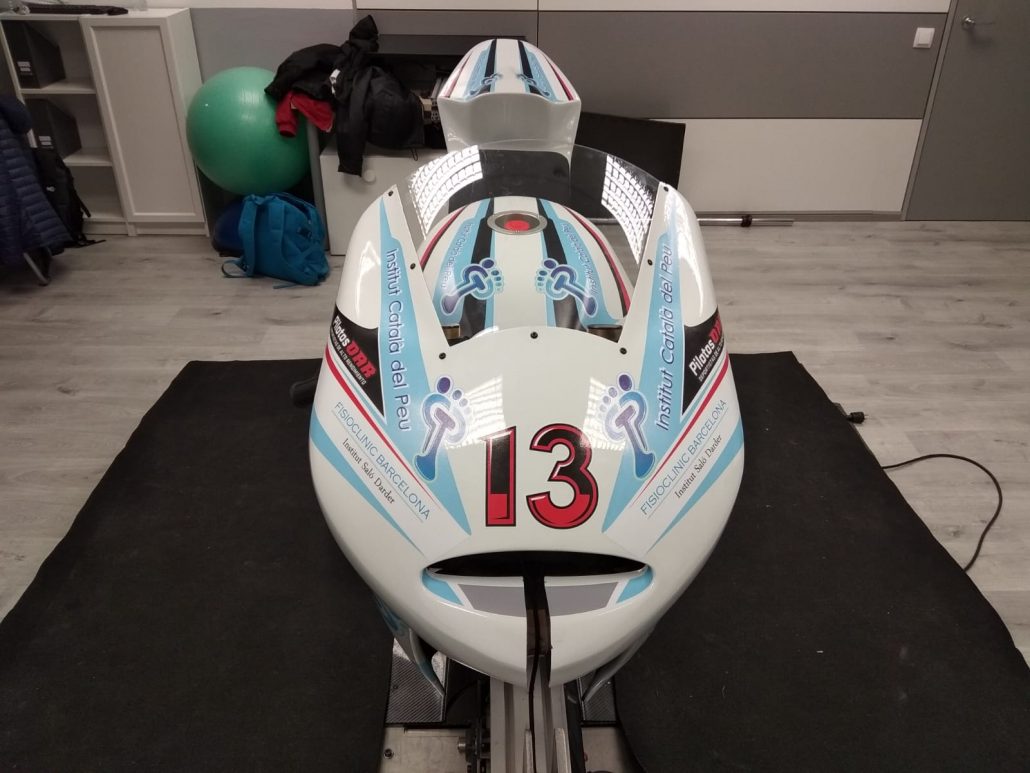
Institut català del peu and Julia Muñoz de Pilotos DAR join to start a new and unique project in Spain and Europe on biomechanic in motorcycling sports.
Braking is one of the most important gestures in driving and often the one that makes the difference between two pilots, two positions. The biomechanical assessment of braking performance, based on scientific evidence, arises to demonstrate that the physical performance of motorcycle pilots is measurable in this action and, based on their results, we can help them improve and how to.
The test consists of a test on the CKU simulator with load to evaluate the performance of a pilot in the braking gesture. To do this we use different biomechanical techniques such as muscle electromyography and 3D photogrammetry, and, in addition, other techniques such as the quantitative assessment of forces or qualitative scales of effort.
Institut català del peu, Julia Muñoz de Pilotos DAR and Institut Saló Darder join to start a new and unique project in Spain and Europe on biomechanic in motorcycling sports.
Braking is one of the most important gestures in driving and often the one that makes the difference between two pilots, two positions. The biomechanical assessment of braking performance, based on scientific evidence, arises to demonstrate that the physical performance of motorcycle pilots is measurable in this action and, based on their results, we can help them improve and how to.
The test consists of a test on the CKU simulator with load to evaluate the performance of a pilot in the braking gesture. To do this we use different biomechanical techniques such as muscle electromyography and 3D photogrammetry, and, in addition, other techniques such as the quantitative assessment of forces or qualitative scales of effort.
While the pilot is doing the test, we measure different parameters through biomechanical instrumental techniques. For example, through electromyography we measure and find how the muscles involved are activated and how they change. What allows us to know how and when it comes to a possible muscular fatigue in the braking action, when and in what phase, knowing the weak points of the pilot and, therefore, which one’s should work more and how to work them.
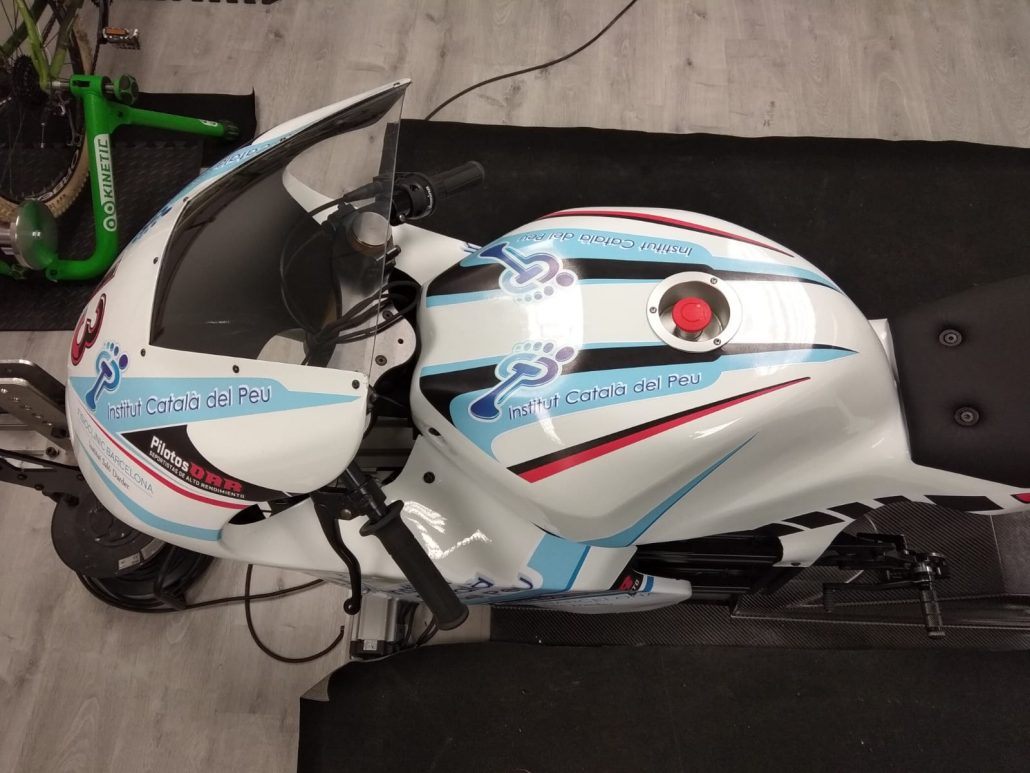
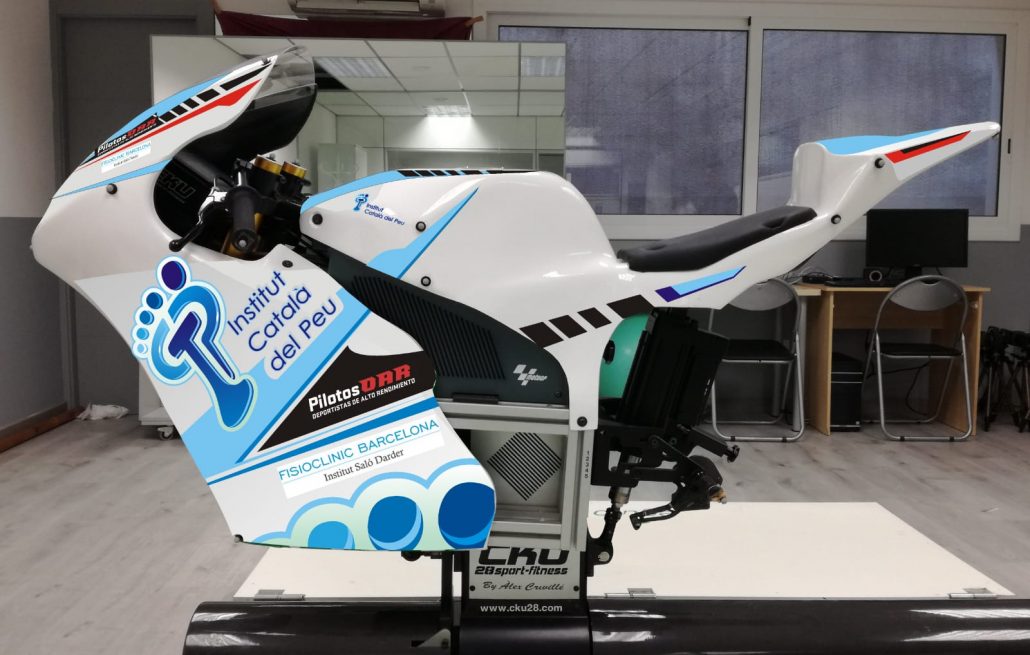
At the same time of the electromyographic record, we record the movement through 3D photogrammetry, which allows us to know parameters such as angles in the lower train and, mainly, higher in the different phases of the braking action, how those angles change during the test due to the muscular stress to which the pilot is subjected, the speeds and accelerations in the movements … and the importance in their changes is objectified as the effort begins to be demanding, knowing in which muscles we should focus and how.
At the same time of the electromyographic record, we record the movement through 3D photogrammetry, which allows us to know parameters such as angles in the lower train and, mainly, higher in the different phases of the braking action, how those angles change during the test due to the muscular stress to which the pilot is subjected, the speeds and accelerations in the movements … and the importance in their changes is objectified as the effort begins to be demanding, knowing in which muscles we should focus and how.
There are other very important parameters in the measurement of the performance of a pilot, the maximum strength, the resistance to the effort, the level of perceived effort, the loss of strength after the test… and others, such as the level of concentration, coordination, fatigue…
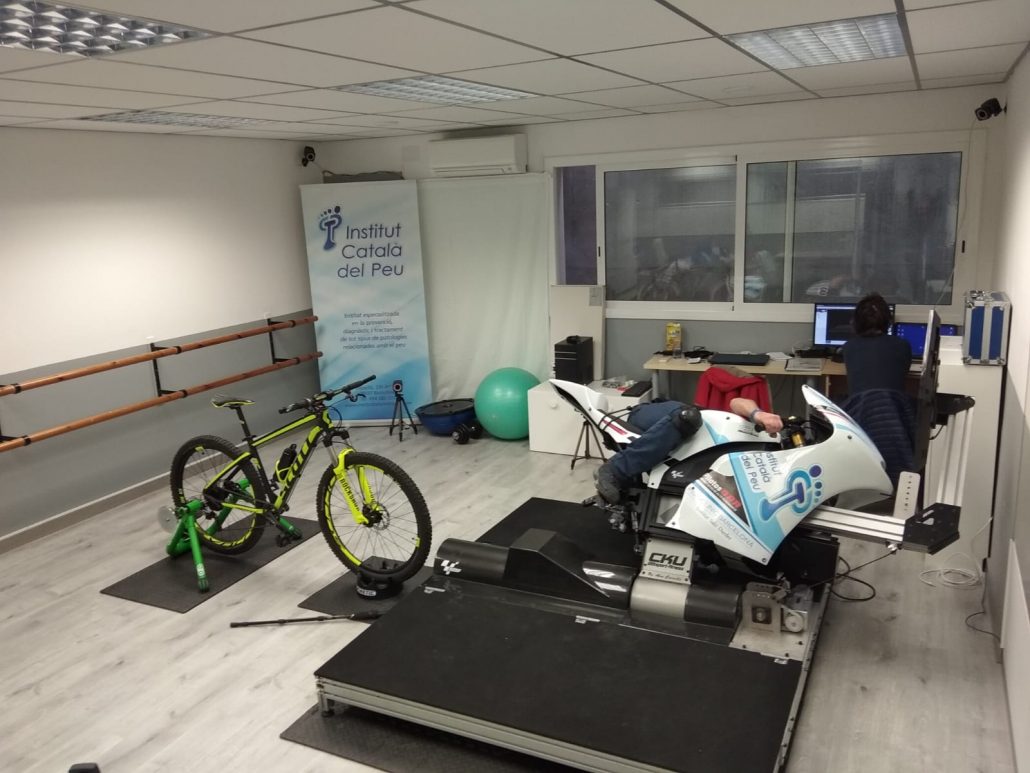
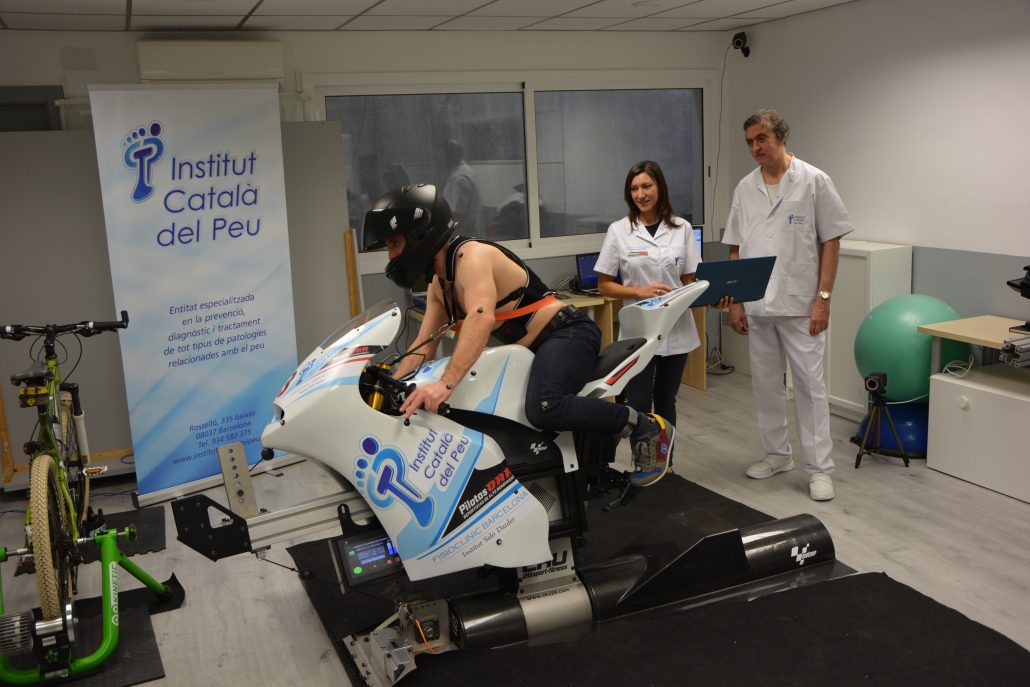
The overall results of the test allow us to know what a pilot should improve to improve braking. Since this test allows us to know if it is necessary to reinforce specific muscles, muscle groups, resistance strength, maximum strength, explosive force or other measured parameters.
The overall results of the test allow us to know what a pilot should improve to improve braking. Since this test allows us to know if it is necessary to reinforce specific muscles, muscle groups, resistance strength, maximum strength, explosive force or other measured parameters.
Is a test for speed pilots, from ages 15-16, professional and amateur level pilots. It can be applied at any time of the season, but the ideal is to make 3 assessments. One in pre-season, another at the beginning of the season and another at the beginning of the second half of the season. In this way we can plan a season, with concrete, feasible and measurable objectives.
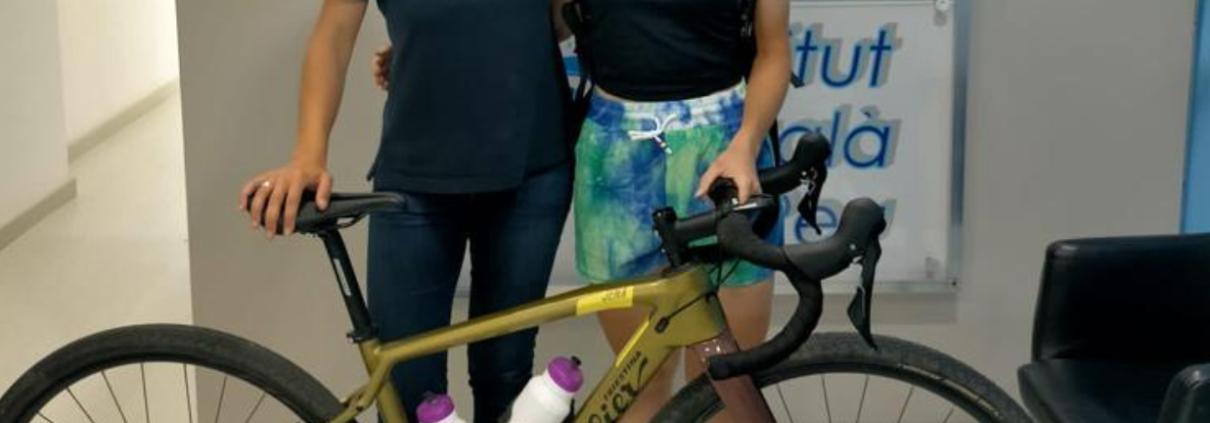

The cyclist Emma Ortiz, champion of Catalonia in 2022, was treated by Fitmetric, the Sporting Biomechanical Department of the Institut Català del Peu, for a cycling biomechanical analysis. The cyclist Emma Ortiz was proclaimed champion of Catalonia in 2022 and was chosen by the Catalan Cycling Federation in order to receive a Fitmetric research grant […]
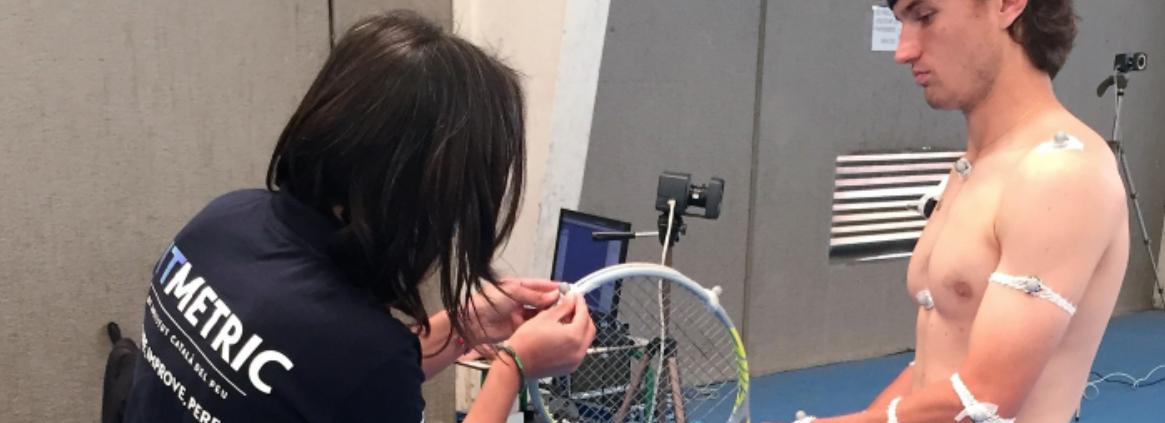
A few days ago, different biomechanical assessments were made to the tennis player Max Alcalà, a plan which is conducting the Institut Català del Peu (official biomechanical department of the Catalan Tennis Federation), through Fitmetric, the biomechanical department of the sporting performance. Max is a bright young hope who is standing out for several years, […]
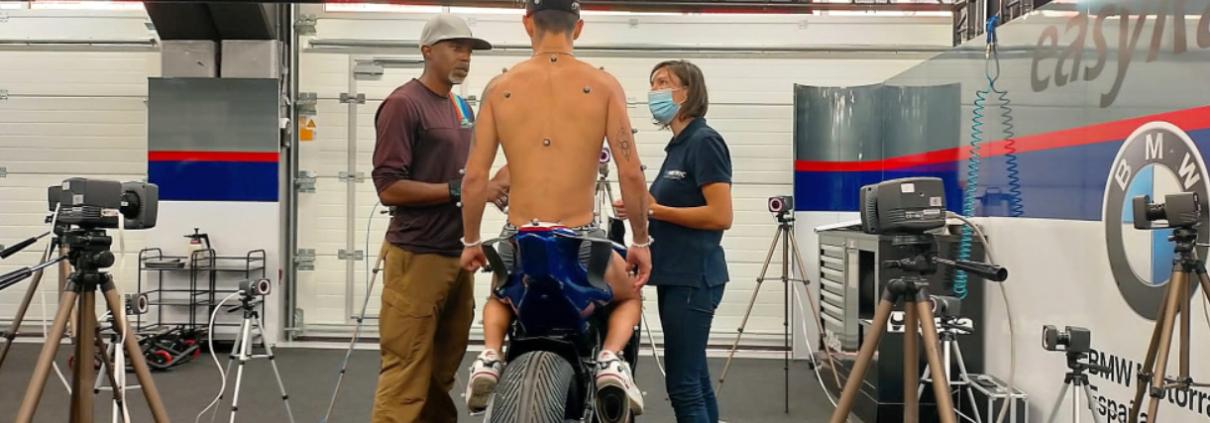
The biomechanical team of the Institut Català del Peu, Fitmetric, was this week in the Montmeló circuit with the motorcycling team of Super Bikes 600 and 1000 cc Easy Race of Spain’s Championship with Michael Torres and his riders. Michael Torres is manager of some riders of Easy Race who also conducts the physical training […]